How BrainCo Is Redefining Human-Computer Interaction with BCI × AI

Abstract: The nature of human-computer interaction is evolving from physical inputs to direct intention. This article explores how BrainCo is pioneering the fusion of Brain-Computer Interface (BCI) and Artificial Intelligence (AI) to drive a paradigm shift—from humans adapting to machines, to machines adapting to us.
For decades, our connection to the digital world has been defined by a series of interfaces: the keyboard, the mouse, the touchscreen, and the voice assistant. Each evolution brought us closer to our machines, but they all shared a common principle: we had to learn how to translate our intentions into commands a machine could understand.
Today, a more profound shift is underway. Led by pioneers like BrainCo, non-invasive brain-computer interface (BCI) technology is moving from the lab into our daily lives. When BCI converges with Artificial Intelligence (AI), it doesn't just improve our current interactions—it creates an entirely new paradigm.
BCI × AI: When Machines Learn to Understand Us
Since its founding in 2015, BrainCo has applied its non-invasive BCI technology across a range of products, from the life-changing Intelligent Bionic Hand to wearable devices that improve sleep and manage stress. The core of these systems is the ability to detect the neuroelectrical signals our brains produce in real-time.
However, raw brain data is incredibly complex and "noisy." This is where AI becomes the essential interpreter. Using deep learning algorithms, AI can analyze vast streams of brainwave data to accurately identify a user's intent and translate it into actionable signals.
- For an intelligent prosthetic, it discerns the difference between a "power grasp" and a "delicate pinch."
- For a sleep device, it identifies the user's current sleep stage and provides an optimized intervention.
This integration gives machines the ability to understand and adapt to complex human states at scale for the first time.
From Command to Intention: A Fundamental Shift in Philosophy
The most significant change brought by BCI × AI isn't just about efficiency; it's a fundamental shift in the philosophy of human-computer interaction.
The old paradigm was "humans adapt to machines." We learned to type, to swipe, and to use specific wake-words. The new paradigm is "machines adapt to humans." We no longer need to translate our thoughts, because the machine can learn to understand our intention directly.
Intention itself is becoming the new interface.
This suggests a future where we can interact with external intelligent systems using direct brain commands. The boundary between human cognition and external computation will become increasingly fluid.
Looking Ahead: Toward a Resonance Between Mind and Machine
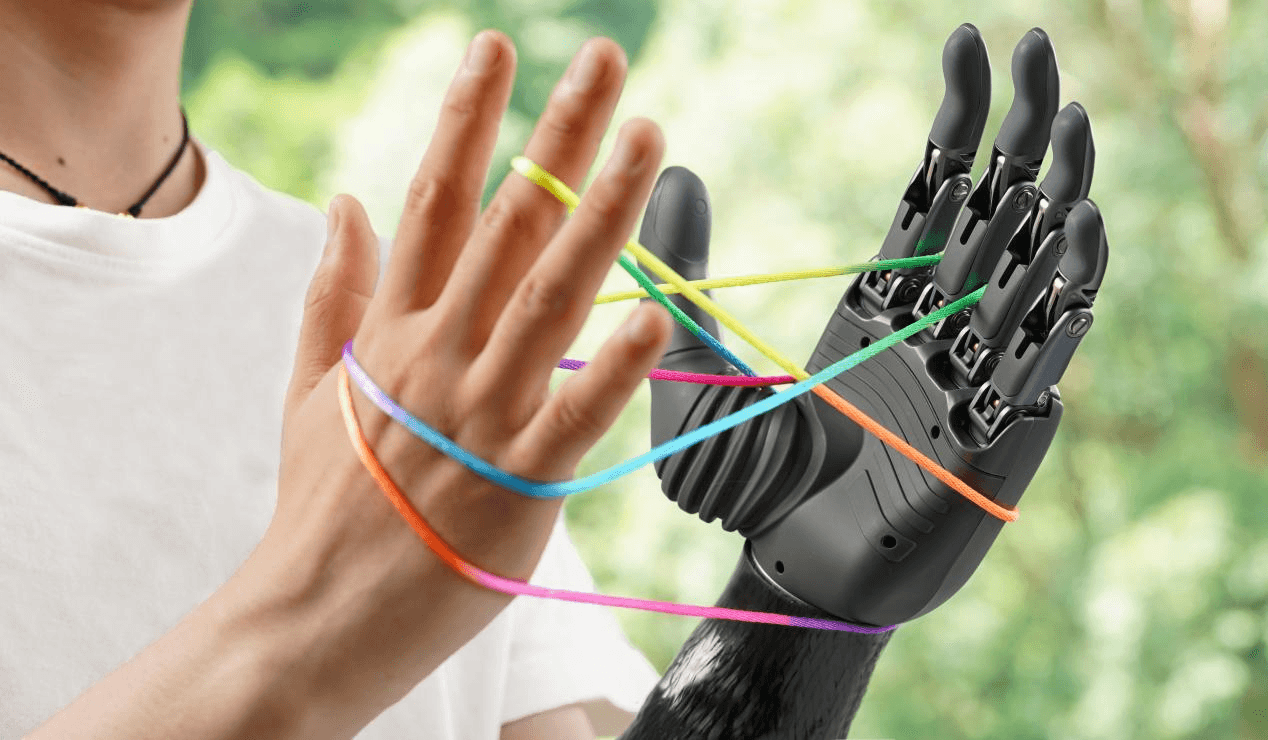
BrainCo's exploration in this field suggests that the future of human-technology interaction will be defined not only by efficiency, but by a deeper sense of resonance between the human mind and the machines we create. This is more than a technological revolution—it's a re-imagining of how we will coexist with the world we build.