From Grasping to Perception: How Dexterous Hand Technology Empowers Robotics and Embodied AI
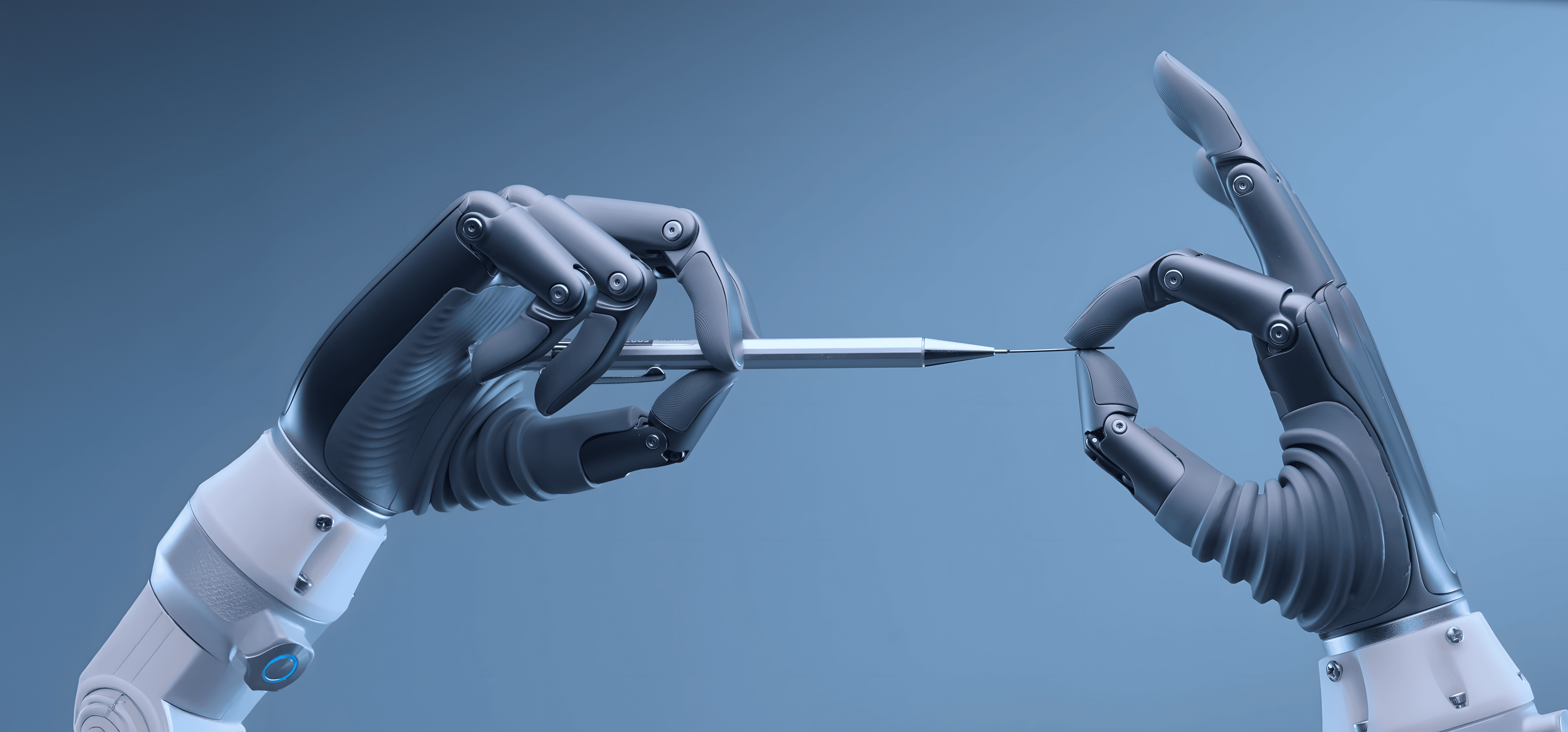
Abstract: As artificial intelligence and robotics rapidly advance, enabling machines to intelligently interact with the physical world has become a critical focus. This article explores the latest advancements in dexterous hand technology, using BrainCo's Revo 2 series bionic hand as an example. We will analyze how its highly biomimetic design and multi-modal sensory capabilities are expanding the boundaries of robotics, driving the development of Embodied AI, and shaping the future of human-robot collaboration.
In recent years, driven by the wave of artificial intelligence and robotics, the quest to enable machines to better understand the physical world and interact naturally with humans has become a central issue for both scientific research and industry. Against this backdrop, dexterous hands, with their high flexibility and multi-sensory capabilities, are gradually moving from the laboratory to practical applications, continuously expanding the application boundaries for robotics and embodied intelligent systems.
Beyond Traditional Grippers: Why Dexterous Hands Matter
The human hand is the body's most complex end-effector, performing not only basic functions like grasping and manipulation but also playing a key role in sensing physical properties and executing fine motor actions. While traditional robotic grippers can handle repetitive tasks in industrial settings, they face significant limitations when dealing with dynamic environments, flexible objects, and delicate operations.
Dexterous hands are bridging this gap with highly biomimetic structures and multi-dimensional sensory systems. They not only replicate the form and degrees of freedom of the human hand but also integrate rich perceptual abilities, allowing robots to "touch" and "feel" the world, thereby enabling them to perform far more complex tasks.
BrainCo Revo 2: A Fusion of Lightweight Design and Powerful Performance
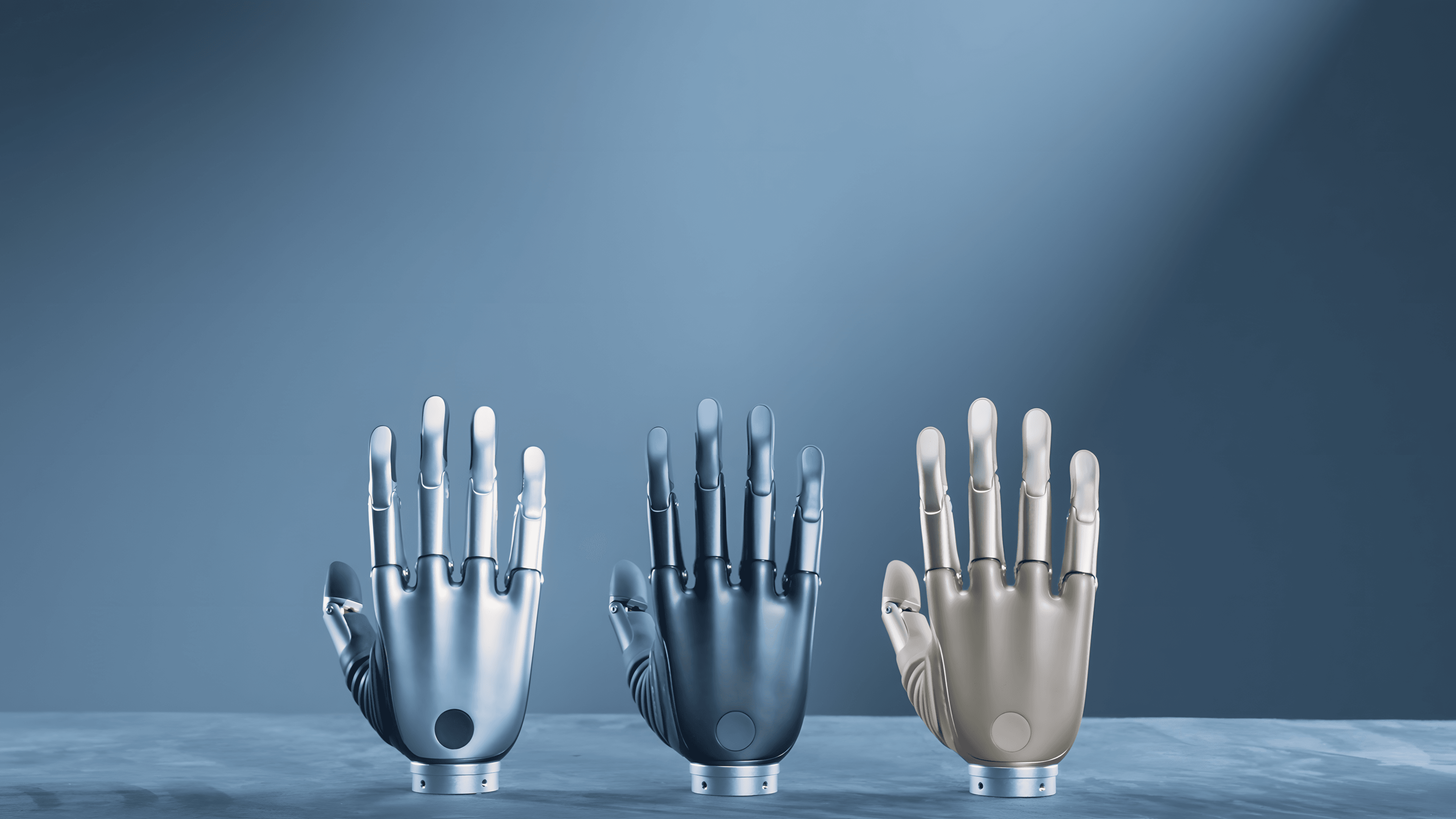
As a pioneer in the field of brain-computer interface technology, BrainCo's Revo 2 series bionic dexterous hand offers a clear example of the technological breakthroughs in this area. The hand strikes a balance between lightweight design and high performance:
- Ultra-Lightweight: The entire hand weighs only 383 grams and is similar in size to an adult female's hand, making it over 20% lighter than the industry average.
- Impressive Strength: Despite its lightweight design, the Revo 2 delivers a single-finger grip force of over 15N and a whole-hand grip force exceeding 50N, sufficient for handling most daily objects, while also supporting an external load of 20kg.
- Multi-Modal Sensing: It integrates force, tactile, and proximity sensing, with a force resolution as high as 0.1N. This design allows the hand not just to "hold" objects but to "feel" their hardness and texture, and even identify surface materials, providing robotic systems with unprecedented environmental interaction capabilities.
These technological advancements significantly enhance the adaptability of robots in industrial automation and unlock vast potential in a wide range of other fields.
Expanding New Frontiers: From Medical Rehab to Embodied AI
The development of dexterous hand technology is more than a hardware evolution; it unlocks the door to entirely new application scenarios. From medical rehabilitation and home services to space exploration and hazardous environment operations, dexterous hands with tactile feedback and intelligent grasping control show immense promise.
For instance, surgical robots equipped with dexterous hands can perform more precise operations. In rehabilitation, these hands can help individuals with disabilities restore partial hand function, enabling them to complete complex actions like writing or even rock climbing.
More importantly, the maturation of dexterous hands has greatly advanced the development of "Embodied AI." This concept emphasizes that an intelligent agent acquires cognition and skills through continuous interaction with the real world. As a critical physical interface, high-degree-of-freedom dexterous hands allow robots to "learn" how to manipulate objects and understand physical laws, ultimately achieving higher-level autonomous decision-making and human-robot collaboration.
Challenges and the Future: Toward a New Stage of "Understanding and Interacting"
Industry experts note that while dexterous hand technology still faces challenges in cost, control algorithms, and integrated applications, it has significantly expanded the potential scenarios and capabilities of robots. In the future, with the further integration of artificial intelligence, sensing technology, and control theory, dexterous hands are expected to become a standard component for robotics and Embodied AI systems. This will drive intelligent machines from merely "executing commands" to a new stage of "understanding and interacting."
The continued innovation from companies like BrainCo is accelerating this process. Through iterative products and technologies, a future of more intelligent, flexible, and collaborative human-robot coexistence is rapidly approaching.